

Industry Leading
Protective Coating Services
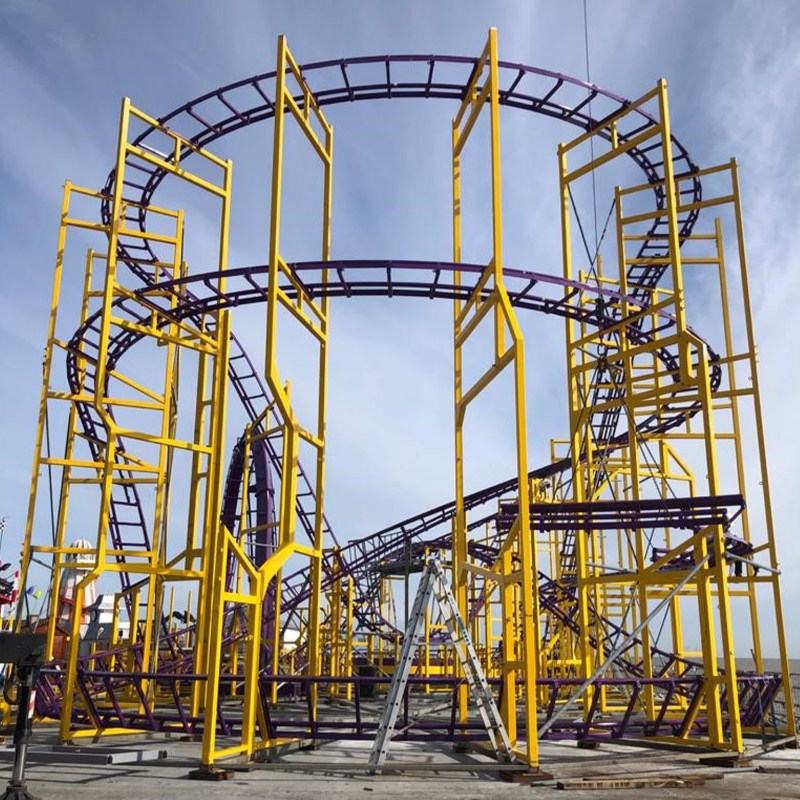
What is a protective coating?
A material applied in a thin or thick layer acting as a barrier for the surface it’s applied to, against harsh conditions. Protective coatings aid in the resistance against damaging factors such as corrosion, rust, heat, salt spray etc to prolong the life of structures, pieces of equipment, or vehicular items.
- Durable and resistant
- Environmentally sustainable
- Widely recognised
- Aesthetically pleasing
Intumescent coatings
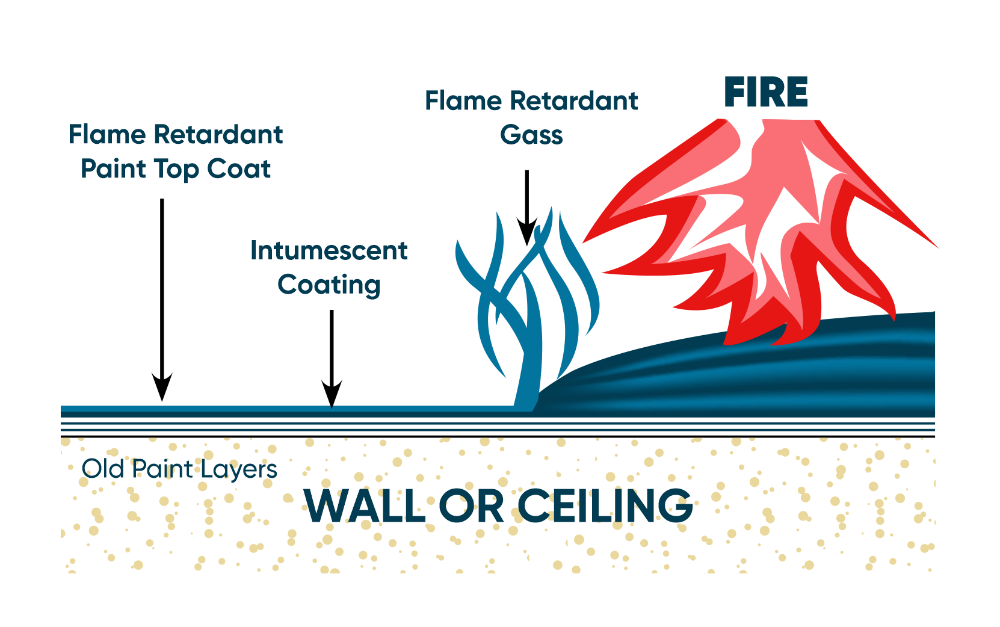
Fire protective coatings or intumescent coatings are applied to load-bearing surfaces as a highly effective prevention method against the structural collapse of buildings. Once applied to the surface, the coating or paint acts to delay its deterioration when exposed to intense heat. Temperatures can reach between 200°C to 600°C before the paint’s molecular structure swells, in a controlled manner, to many times its original thickness. This produces a large number of minute bubbles that harden once cooled; creating a protective, carbonaceous char.
There has been a recent surge in demand for intumescent coatings within the architectural design industry due to its consistency. Usually used on steel structures, it can also be applied to timber and plaster. This protective coating performs best with metal structures but can offer protection against fire exposure for wood and plaster in terms of time. For example, a layer of intumescent paint applied to timber can increase its resistance against intense heat to 30, or, in some cases, 60 minutes.
AS utilises industry leader CLM Fireproofing’s specialism and experience to ensure the best results are achieved for all of our clients’ fireproofing needs.
Hot zinc spraying
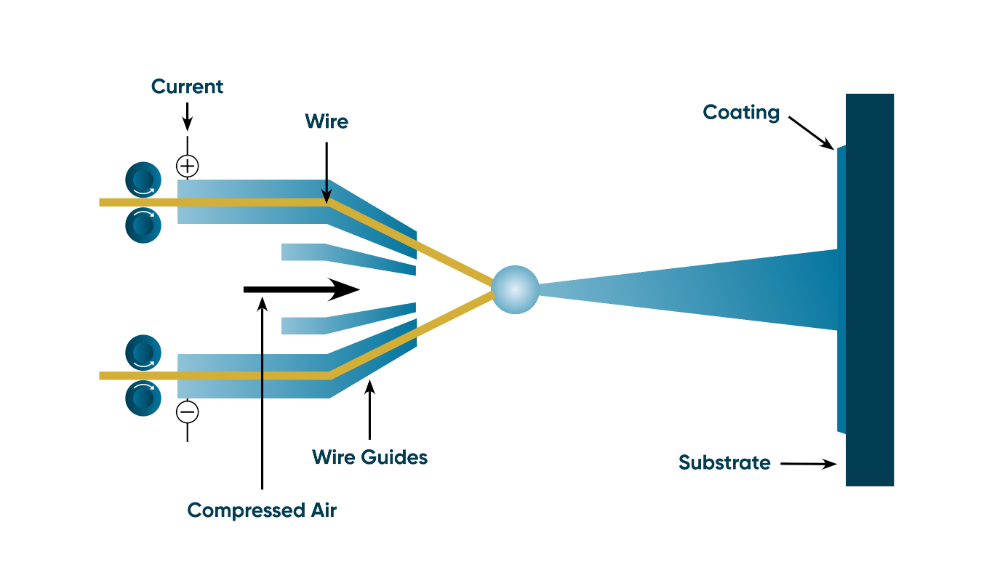
This is a process whereby zinc wire is passed through a compressed air gun, and heated into liquid form, which is then sprayed onto the substrate creating an even, protective layer. AS uses the arc spraying method instead of flame spraying to ensure a more safe and environmentally friendly approach. Arc spraying forces two electronically charged wires through the gun creating an electric arc that melts the metal, to then be propelled at the surface by the compressed air. From a technical standpoint, arc spraying can reach a higher bond strength which some substrates will require in harsher conditions.
Flame spraying uses the heat produced from the combustion of a mixture of gasses to melt the wire; personal preference would therefore sway a contractor’s choice between the two.
Protective coating offers a long list of benefits across a variety of requirements, fields, and industries. Discover how it could assist you; no matter the sector you and the surface are in.
A Protective Coating Company You Can Trust
When you choose AS Blasting and Coatings for your resurfacing needs, you are guaranteed complete customer satisfaction. We know that trust is vital to a successful experience, so rest assured that all AS employees are CSCS Registered and carry all relevant certifications.




Our latest Protective Coating projects
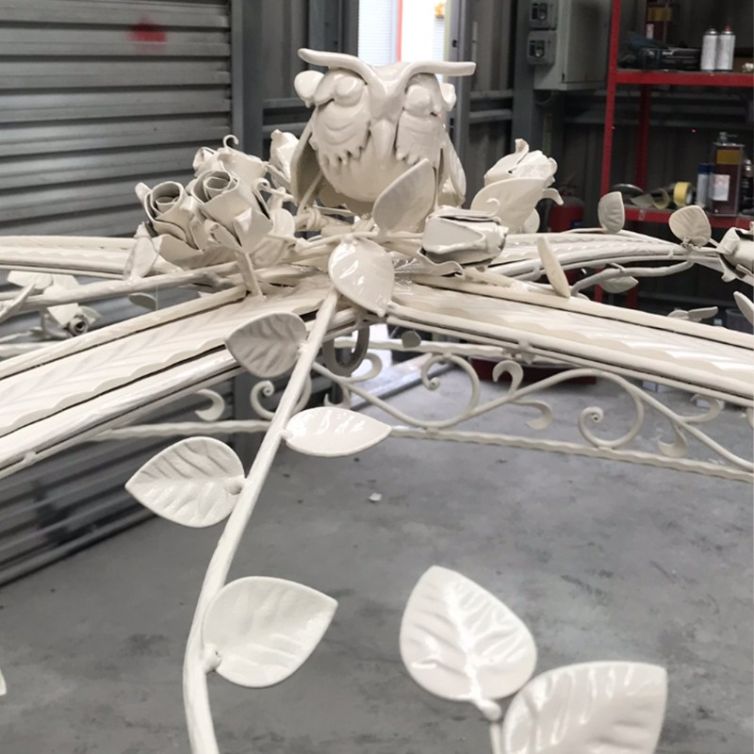
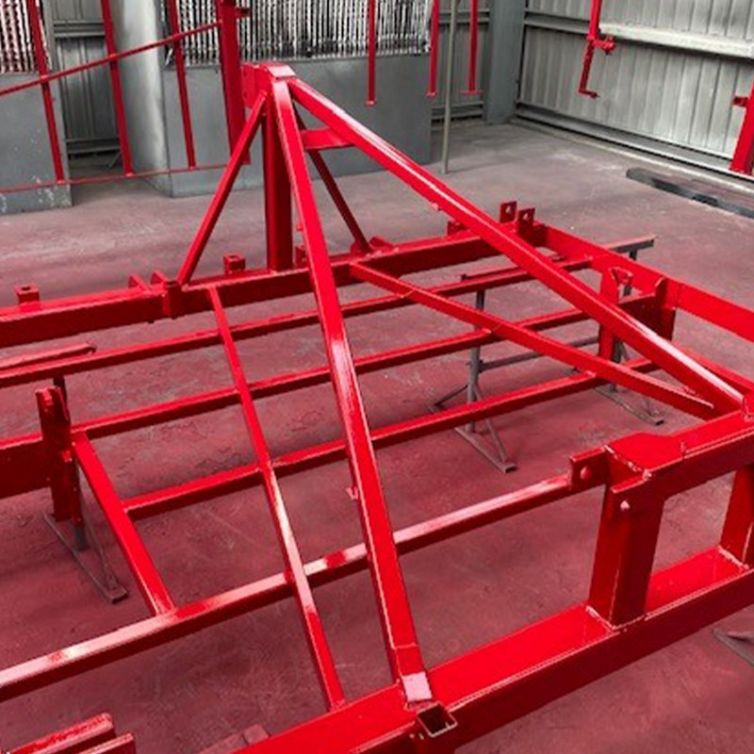
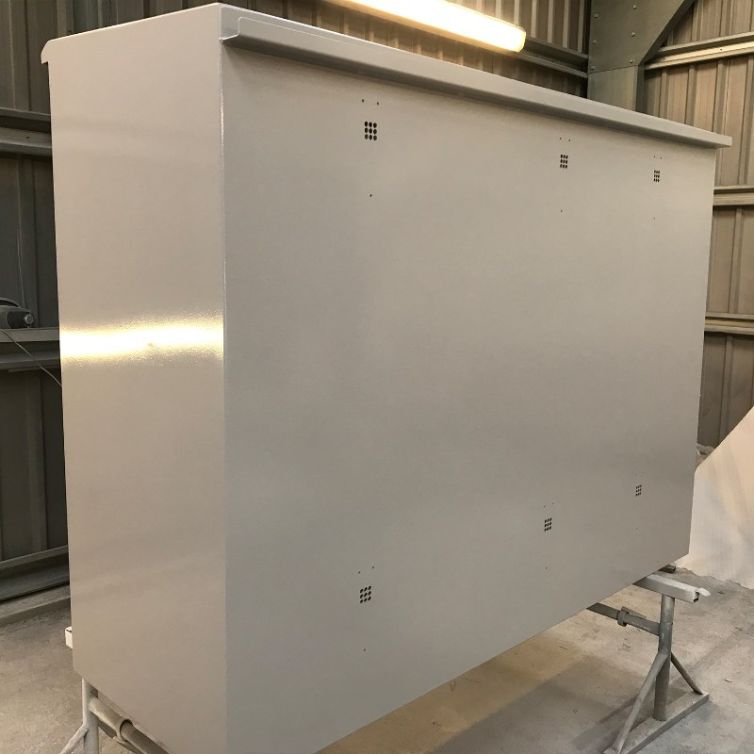
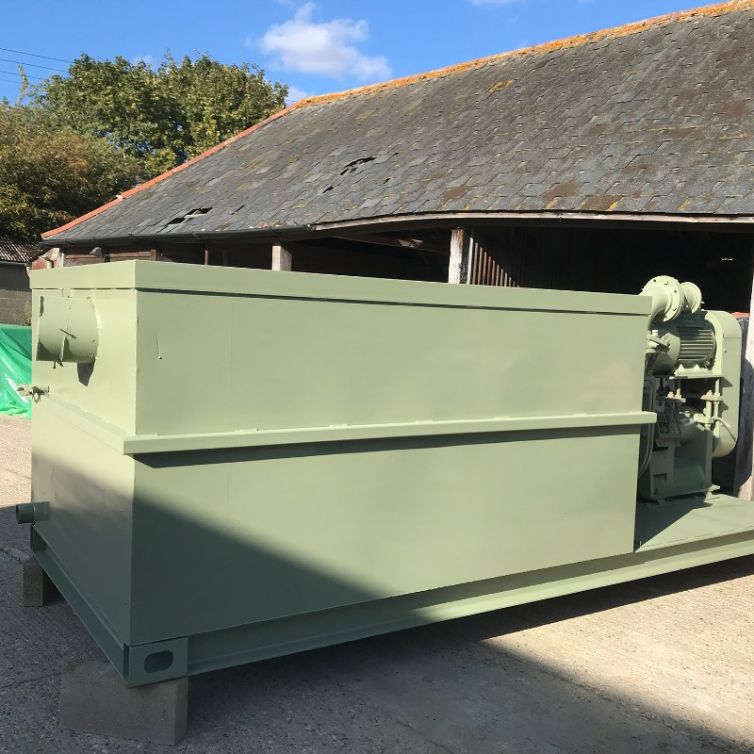
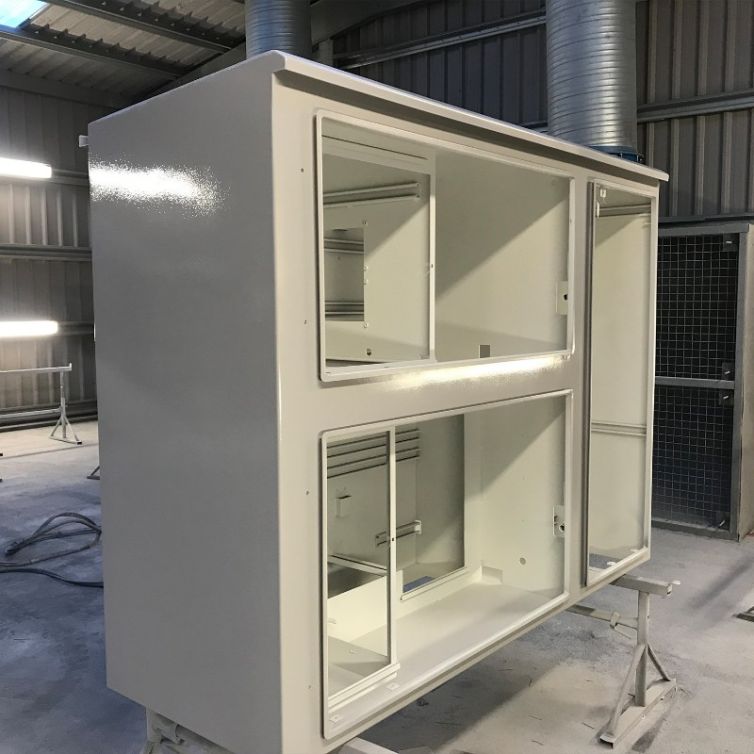
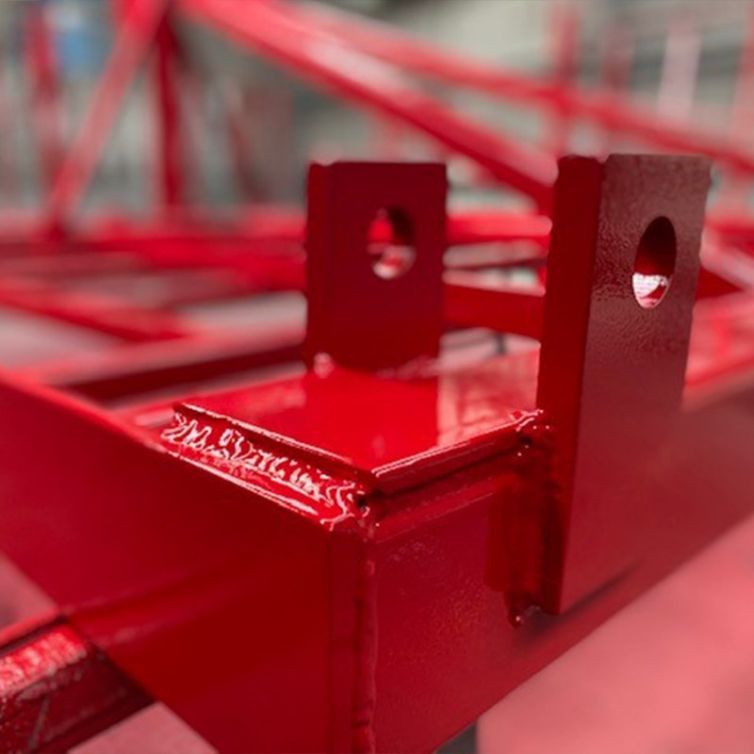
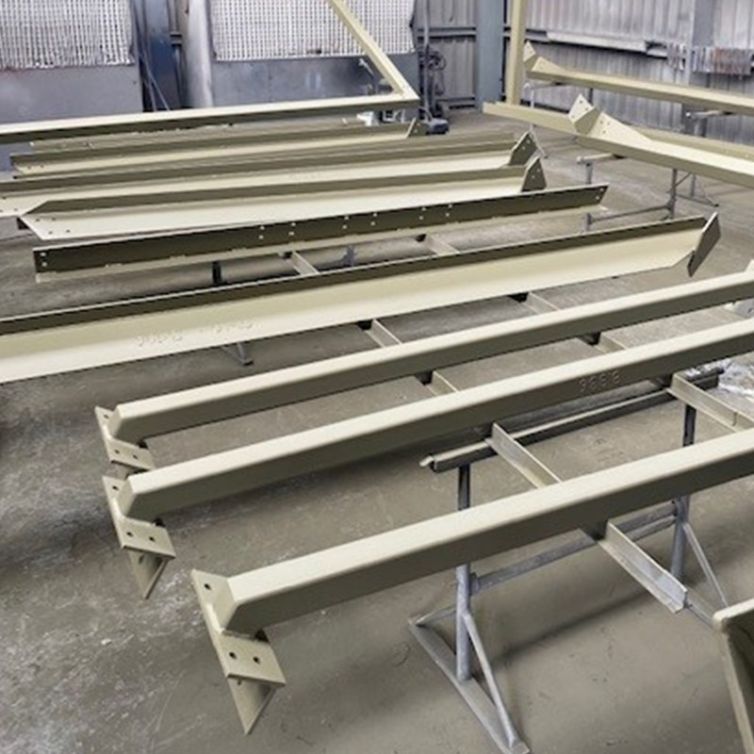
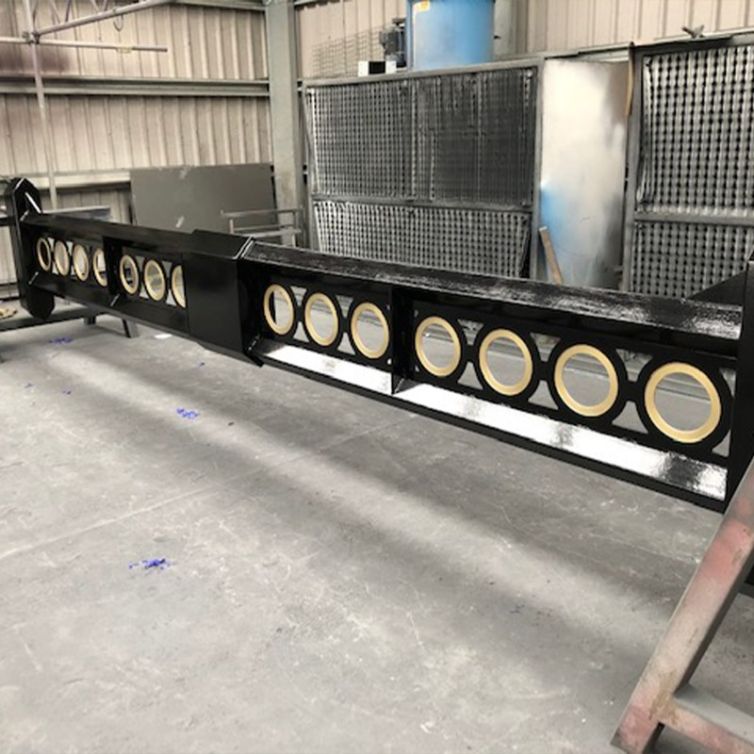
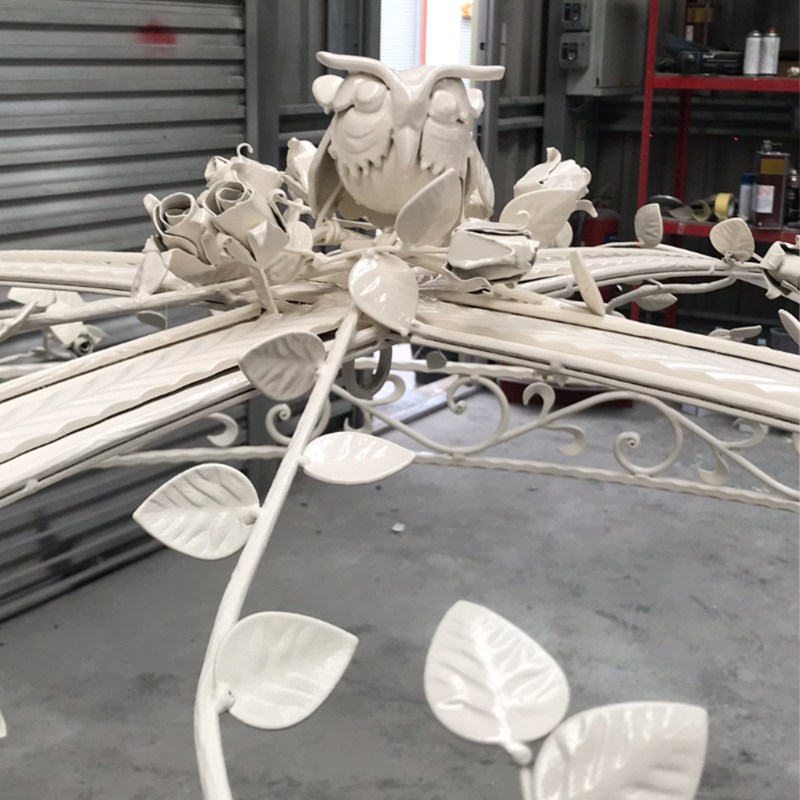
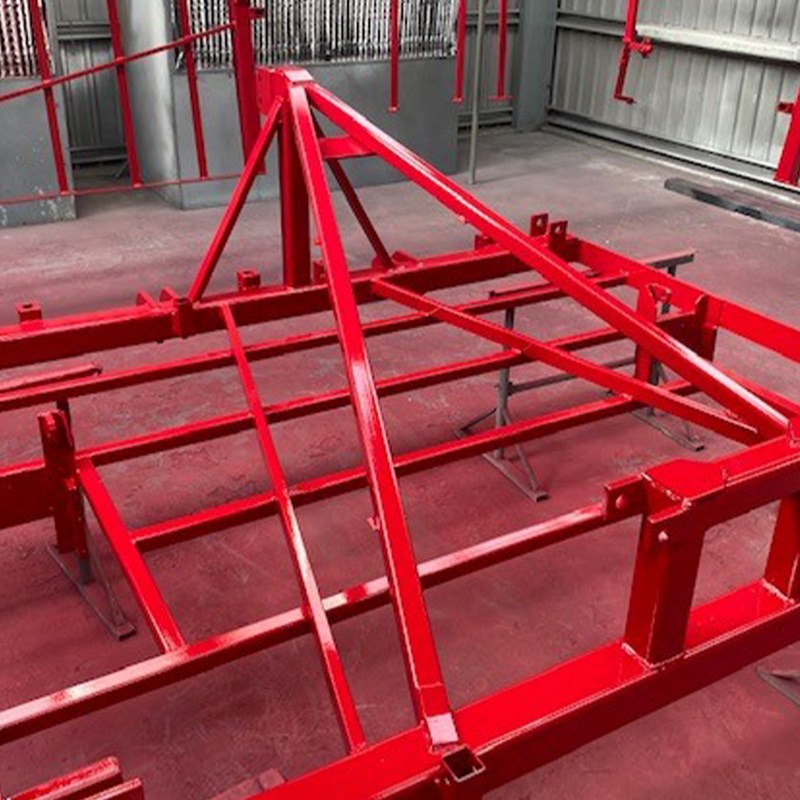
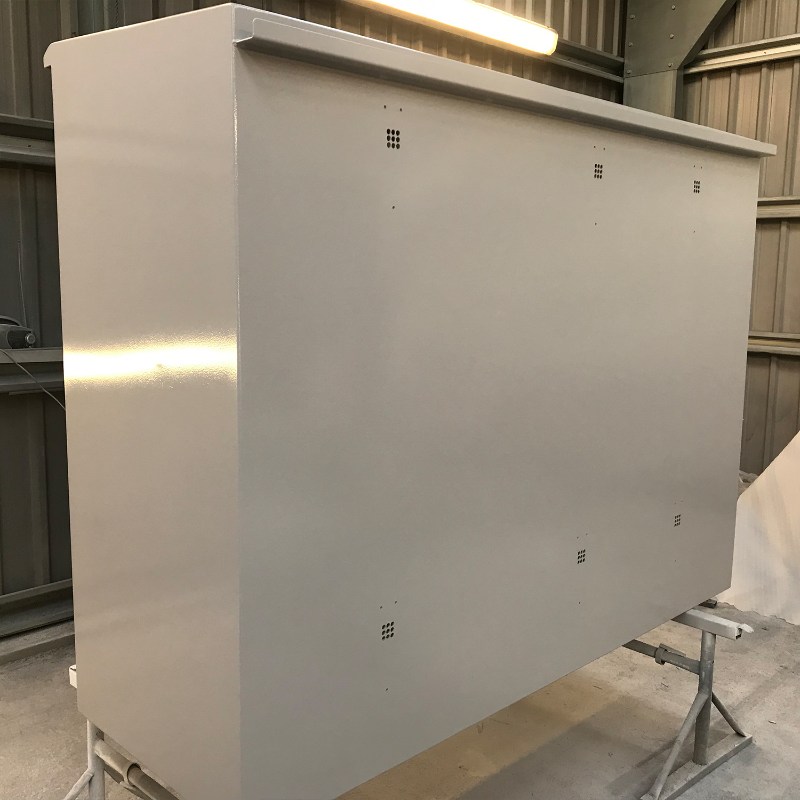
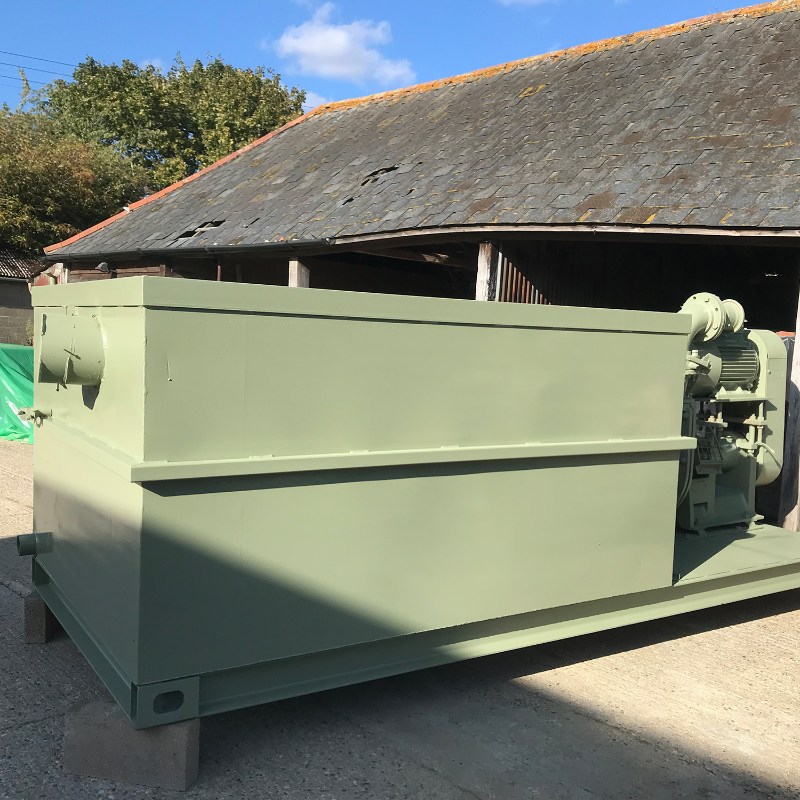
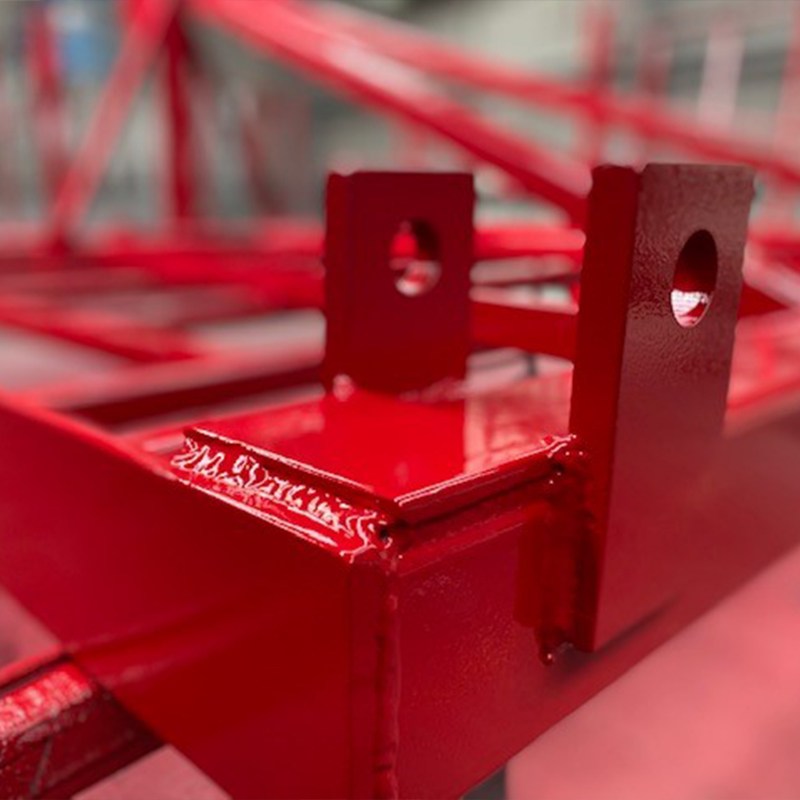
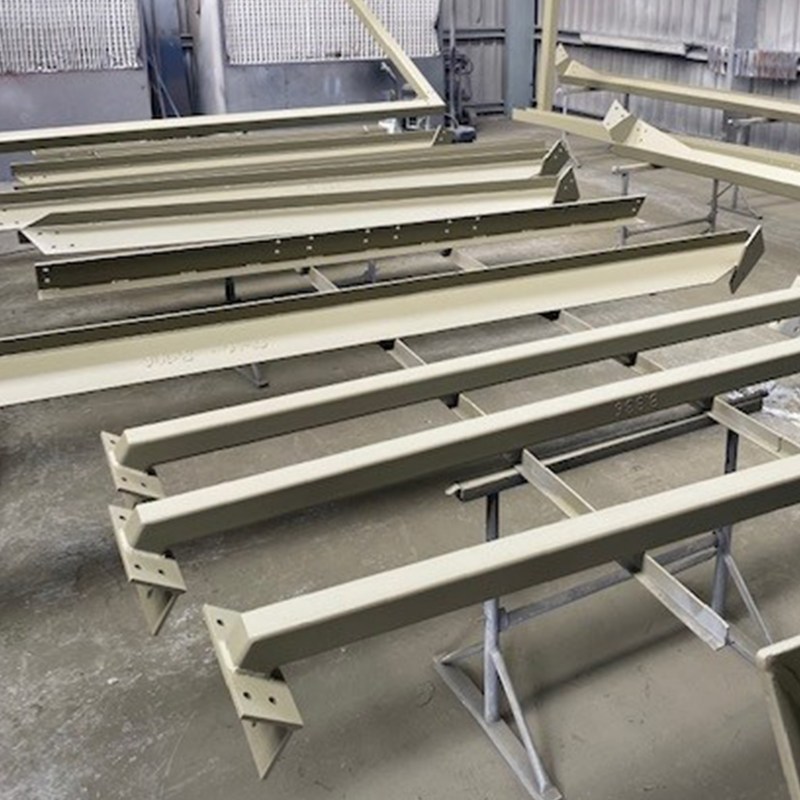
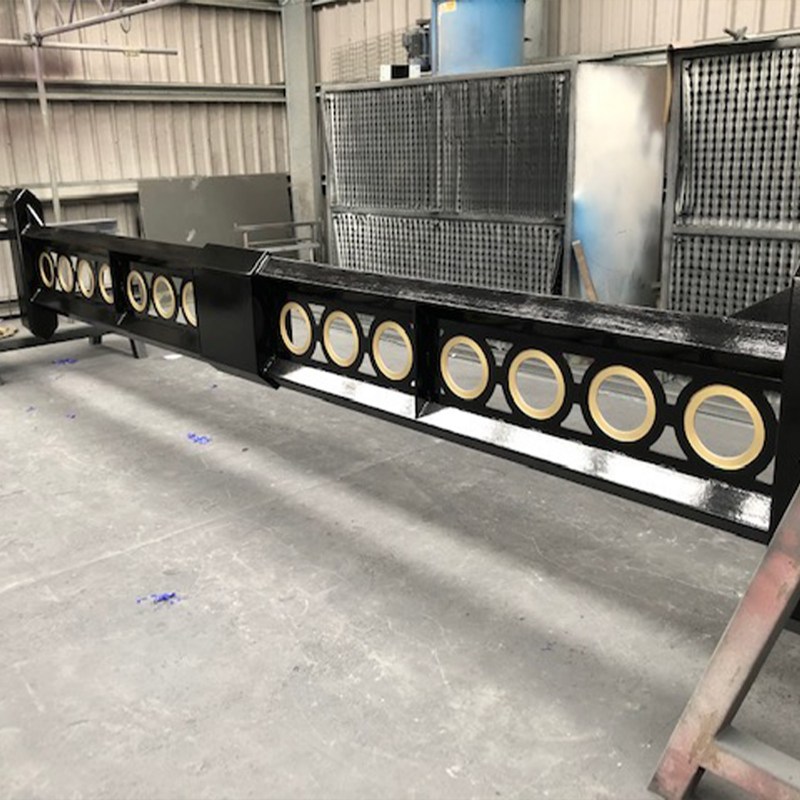
Our adherence to the highest industry standards and delivery of the utmost workmanship ensures each of our clients receives the quality results they deserve. We truly believe that our experience and knowledge within this complex industry is your best solution – but don’t just take our word for it – see for yourself what our abrasive blast cleaning services can do for you!

Get a free quote today
Request a Callback
Fantastic service from Mat. He went above and beyond to accommodate me and I had the parts back within a few days. All work was finished to a high quality. Very very pleased with the end result and the service as a whole. Would recommend.
Great service provided by a great team at AS Blasting & Coatings. Highly recommend it to anyone out there looking for blasting and coating services. this is the company you need to use so get in contact with them.
Protective Coating FAQs
Is a protective coating worth it?
All surfaces can be protectively coated, from parts in industrial, harsh environments to garden furniture exposed to weathering. It is vital for the metal’s structural integrity to be protected and with hot zinc or intumescent coatings, contaminants will have a durable layer to penetrate before reaching the exposed surface. Using a protective coating will give peace of mind to those working with machinery parts or within a large building/structure that the metal components surrounding them will not fail. Investing in protective coatings is essential for improving the longevity of machinery, parts and structures which, in turn, means replacing said items won’t occur as frequently, if at all.
What are the types of protective coating?
The two main types of protective coatings are hot zinc spraying and intumescent coatings. Hot zinc is a great preventative measure for components of industrial mechanical equipment or items that are exposed to weather conditions and chemicals. As it can be melted and sprayed onto the surface, the thickness can be customised depending on the intensity of the environment’s implications. For large, commercial buildings intumescent - fireproofing - coatings can be applied to avoid the devastating effects fire can have on its structural integrity. It is designed to swell and char to create a barrier from the intense heat damaging the metal, allowing for inhabitants to be evacuated and fire to be stopped.
Where is a protective coating used?
All metal surfaces should be protected to some degree to ensure corrosion and damage is minimal or eliminated completely. Surfaces and structures that are in particularly harsh or tough environments should definitely be toughened by a protective coating. For example, structures in compromised conditions like oil rigs - where protection from the sea is paramount - can be coated with hot zinc spraying using the Wire-Arc method whereby zinc wires are forced into an electric arc to form liquid particles that are then sprayed onto the substrate. If surfaces are likely to be exposed to intense heat then intumescent paint or coatings will protect and prolong the time it takes the metal beneath from crippling under high temperatures.
Why is protective coating metal important?
Metal parts, machinery components and structures are all subjects to damage from substance reactions such as oxidation, hydrogen, an electrical current or even just bacteria and dirt. Preventing this as best as possible is vital to keeping parts running smoothly and safely; if corrosion occurs and items start to deteriorate and fail, the damage could be life-threatening. Protective coatings will also give a longer life to what it is protecting, ensuring the surface and structures last and don’t require replacing - an efficient money and time saver.
What is the process of protective coating?
Protective coatings come in all variations to cater for the requirement of the surface, however, the preparation process is similar across the board for all coatings. Whether it be painting, powder or protective all methods require sufficient preparation before anything can be applied. Blast cleaning or abrasive blasting is most commonly used for effective and efficient surface preparation. This method sees the removal of any pollutants that have bonded to or damaged the surface over time; dirt, grease, and old coatings are all considered contaminants and will affect the adherence of the coating to the surface. Once preparation is complete, your coating of choice can be applied. For protective coatings - hot zinc and intumescent - a gun mechanism sprays the material onto the surface, creating a durable layer to then be cooled to set and bond with the surface to provide an undeniably durable and long-lasting protective coating.
How does Protective Coating work?
With the main purpose to preserve and decorate the surface, it is applied to, protective coatings offer a durable and hardy layer to prolong its life and finish. Prior to coatings, preparation takes place to enhance the surface’s texture, usually in the form of blast cleaning. When exposed to contaminants the hardened surface will be able to withstand even the harshest conditions.
How does intumescent coatings work?
Intumescent coatings will provide an expanding, fireproof layer which is designed to prolong the resistance a surface has against fire and extreme heat. The most effective and efficient way to apply this protective coating is by spraying; guaranteeing every inch of the surface is coated sufficiently so it can work as best as possible. Once applied to the surface and exposed to heat, the coating starts to expand and char instead of the surface itself to allow authorities to act and stop the fire spread.
How does hot zinc spray work?
Hot zinc spray gives an extra, hardened coat to repel factors such as salt spray, chemical exposure, and corrosion. Substrates are all prepared, usually with abrasive blasting, which creates a rough outer layer for the zinc to adhere to and bond with. When the melted wire is passed through the gun and sprayed, the metal impacts and fixes onto the surface to provide protection from harsh conditions.
We don’t just offer Protective Coatings
We accommodate an eclectic range of blasting and coating projects throughout East Anglia, the South East and the East Midlands. Ensuring the best results are always achieved, we provide a bespoke approach, tailored to the surface’s needs using our wide range of services.
Powder Coating
A more environmentally friendly approach to product finishing, our powder coating services exceed many national environmental protection standards – minimising wastage and the presence of Volatile Organic Compounds whilst being tough and durable. This modern approach to coating can be used in place of liquid painting and curing, reducing the negative environmental impact of VOCs, whilst producing the same brilliant results.
Blast Cleaning
Many of our blasting services, such as those for brick or stonework, can be performed at the site of the surface for convenience, whilst many smaller components, such as oak beams and motorbikes can be blasted at our dedicated in-house facility. We use a variety of abrasives to achieve the specific finish required, including Australian garnet, copper slag, aluminium oxide, stone grit, recycled glass and glass bead.